I have seen a growing number of reports and posts claiming that press releases are entering a new golden age as LLMs like ChatGPT and Perplexity are citing them. This new story is easy to sell because it sounds like vindication, turning the spam into a visibility machine in the AI era. However, there is more to it.
Wires were mostly noise long before AI search existed
Before anyone said "AI SEO," wire services already had a reputation problem. For most companies, a press release on the wire service didn't have an impact, let alone get to a journalist’s eyes. Press releases on the wire became a low effort push of a marketing brochure rather than a release, with zero editorial judgement attached, it became a check mark. That’s not distribution, that’s syndication, and is not the same.
There is one strong use case for wire services that actually never went away: regulatory disclosure. Public companies still need Reg FD compliant, timestamped, legally defensible distribution for earnings and material announcements, and wires are built for exactly that. Outside of that narrow lane, most releases sat on hundreds of near identical domains, picked up by nobody, read by fewer people, and eventually flagged by Google as the thin, duplicate content it was. A spam-based business model that fools the inexperienced companies.

Then AI search gave the wires a new pitch
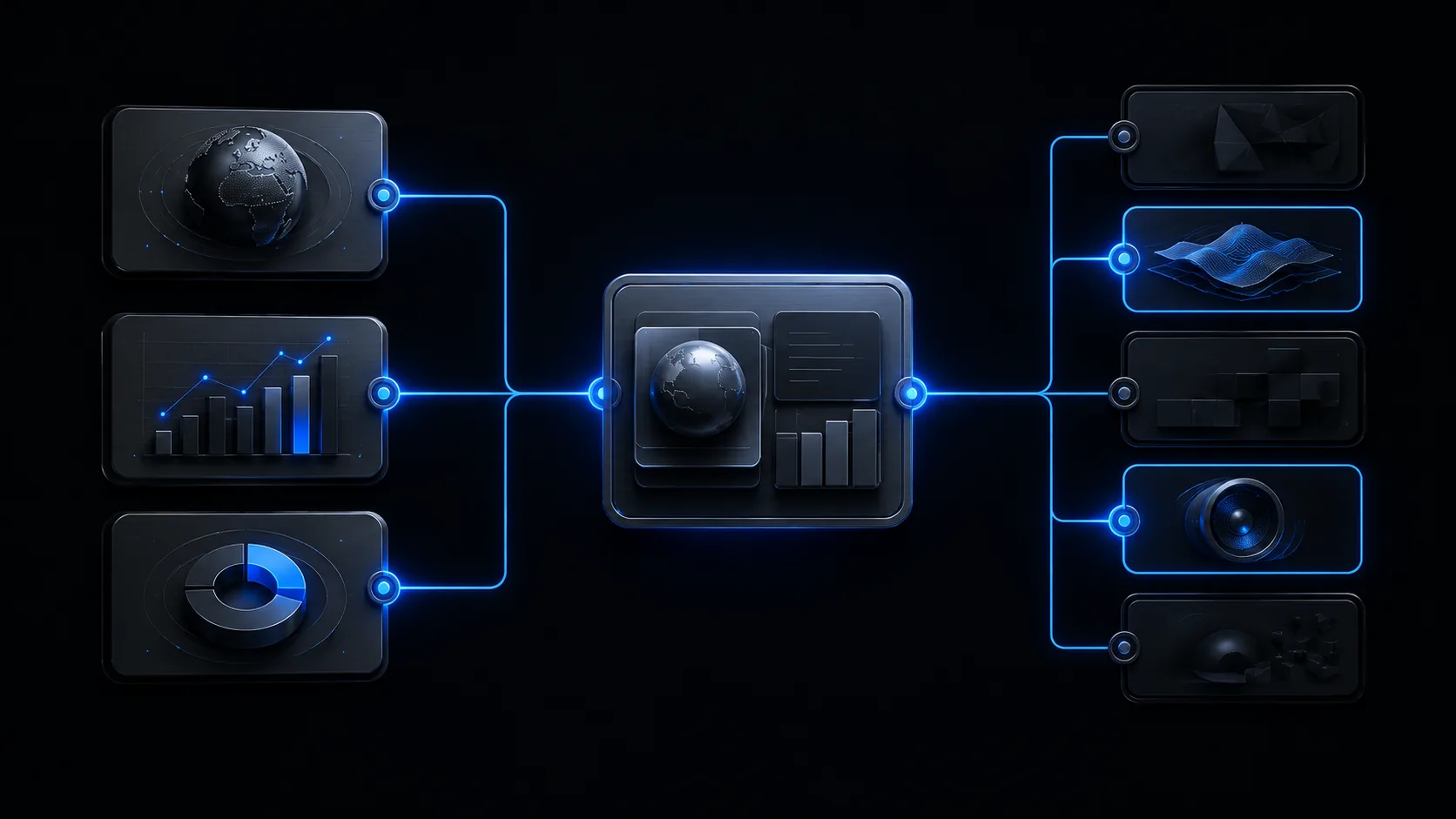
With the rise of AI, the wire industry found a second wind. Answer engines like ChatGPT, Perplexity, and Google's AI Overviews don't rank pages the way traditional search does, they synthesize an answer and cite sources while doing it. Wire companies noticed their content was showing up inside those answers, and they rebuilt their sales pitch around it almost overnight. Suddenly the same syndication network that Google spent a decade penalizing was being repackaged as "AI visibility infrastructure."
The reports followed fast. Guides now walk clients through "GEO" and "AEO," short for generative engine optimization and answer engine optimization, and press release write ups routinely promise that a well structured release will get "cited by AI platforms like Google and ChatGPT long after the announcement goes live."
The citation numbers are real, but it’s not the whole story
Publication intelligence tracking from AuthorityTech found PR Newswire logged 799 AI citations in a 30 day window this spring, nearly ten times what Forbes received in the same period. Medium came in second. On the surface, that looks like proof the skeptics are wrong.
If you look closer, the explanation isn’t editorial trust, but it’s crawlability. Newswire and Medium are open access, consistently formatted, and easy for an AI crawler to parse. Forbes and the Wall Street Journal are gated and JavaScript heavy, which makes them harder to retrieve even when they're the better source. The gap reflects which pages a bot can technically read, not which ones a human would trust more. An AI engine citing a wire release for a fact about that specific announcement is not the same as an AI engine treating your company as an authority on the category.
Volume of citations isn't the same as being the source that matters
This is where you need to stop and look at the "AI SEO revival" pitch to understand what it can do, and what it cannot. A citation inside an AI answer usually means the model pulled a fact, a quote, or a number, and that number very often comes straight from the wire text itself, the one your team wrote and paid to distribute. That's useful if the goal is making sure your own numbers show up correctly. It's a different thing entirely from building the kind of authority that gets you cited when someone asks a broader question about your market, your category, or who's actually credible in the space.
A wire service doesn't pitch your story to a specific reporter, doesn't place coverage in a specific outlet, and doesn't guarantee anyone actually reads it. What happens after distribution is mostly automated syndication, with the occasional real journalist noticing the feed. Analysts covering the AI search space describe wire distribution's legitimate use case the same way I would, as fine for regulatory disclosure, and not a visibility strategy on its own.
What actually drives durable AI citation
The mechanics that earn a brand a lasting spot inside AI generated answers look a lot like the mechanics that earned good PR before any of this existed.
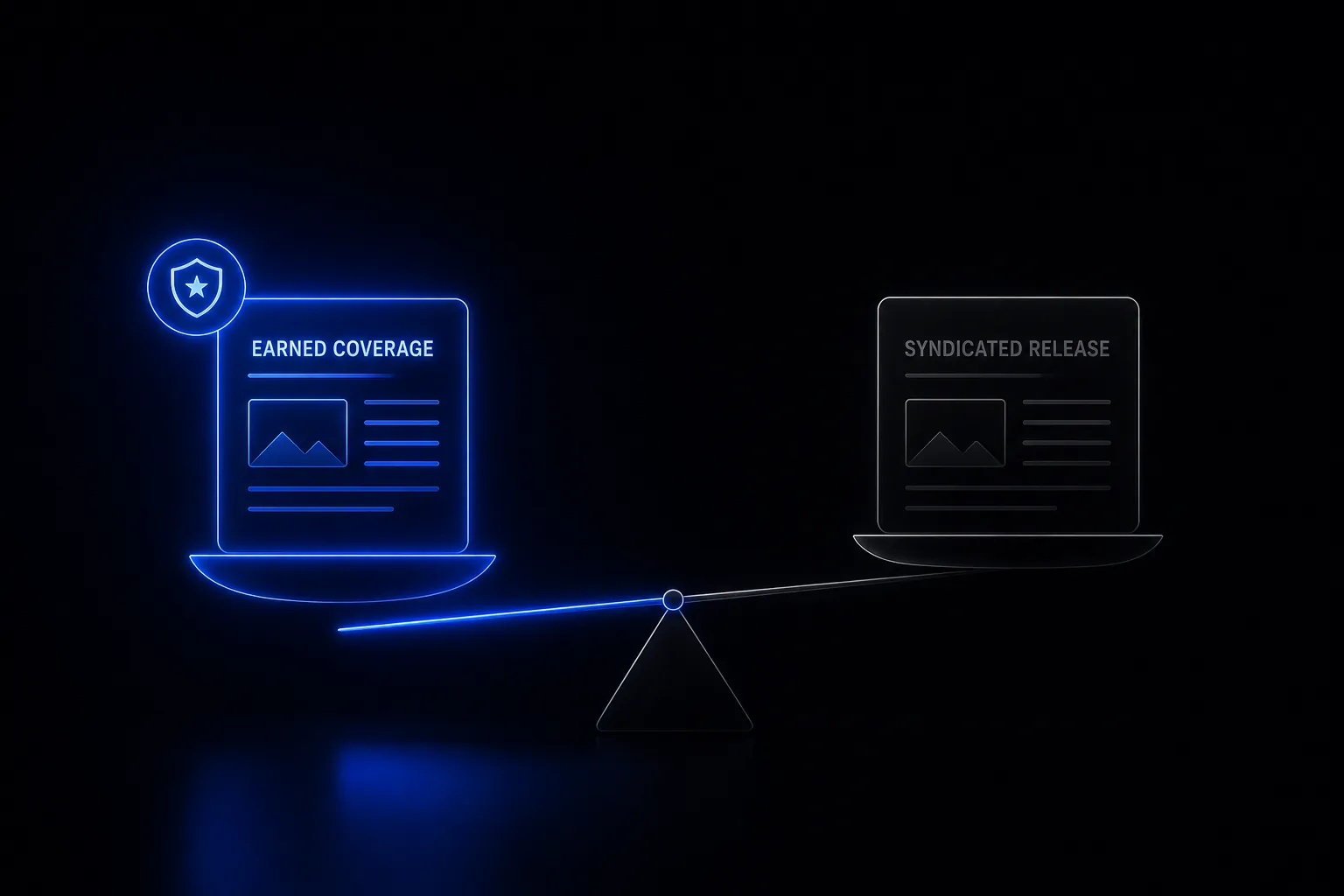
Earned coverage from journalists at outlets an AI engine has already learned to trust carries more weight than a syndicated release ever will, because that coverage sits inside the citation network the model was trained on and continues to crawl. Freshness matters too. One large scale analysis found URLs cited by AI assistants were on average about 26% more recently updated than URLs ranking in traditional organic search, which means a dated, well maintained article on your own site can outperform a static release from eighteen months ago. Clear entity signals, consistent naming, structured headers, and original data all help an AI system understand who you are and decide you're worth citing again. None of that comes from a syndication feed. All of it comes from the same disciplined communications and content work that was already the job.
The wire didn't get smarter. The pitch did.
Wire services aren't fraudulent, and I still use them for exactly what they're good at, timestamped, compliant, wide reach distribution when a company needs the record to exist. What I push back on is the idea that paying for syndication is now a shortcut to AI visibility. It isn't. It's the same low cost, low control tool it always was, wearing a new acronym.
If you want your company to show up when someone asks an AI tool who's credible in your space, that still comes from real media relationships, original content built around clear expertise, and a communications strategy that treats every release as one part of a bigger story, not the whole campaign.